
ReefLink Database
Transportation Policies
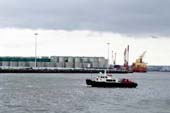
Transportation management includes policies, regulations, and zoning designed to control the distribution and intensity of transportation networks, including roads and shipping channels, and vehicles, including cars, boats, and ships.
CMap
CMap Description
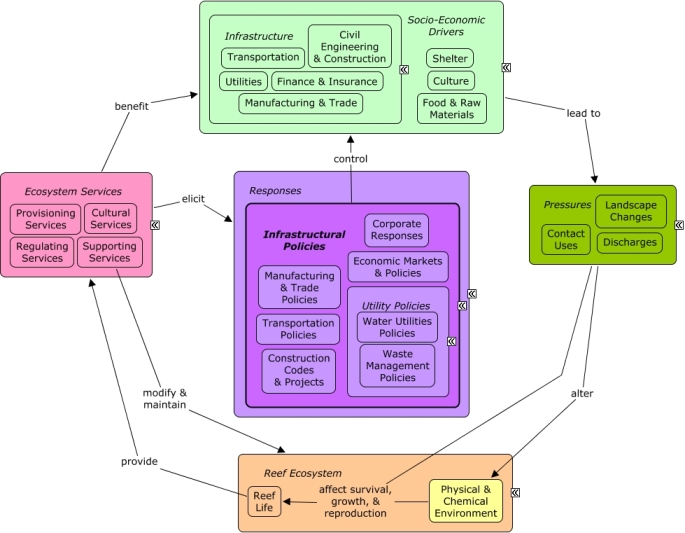
A change in the provision of ecosystem services, or a desire to improve provision of ecosystem services, may elicit responses to manage the distribution and functioning of socio-economic sectors which provide infrastructure. Infrastructure sectors, including transportation, utilities, construction, and manufacturing, create pressures on the reef ecosystem primarily through pollutant discharges and landscape changes, including devegetation, impervious surfaces, and soil disturbance which can effect rates of pollutant runoff. In coastal areas, development may require shoreline armoring or dredging activities, which can directly impact coastal vegetation and alter patterns of waterflow. Infrastructure sectors benefit from reef ecosystem services, including shoreline protection, the availability of seafood, and recreational opportunities which drive coastal development and the need for infrastructure.Citations
| Citation | Year | Study Location | Study Type | Database Topics |
|---|---|---|---|---|
| Natural Resources Conservation Service. 2011. National Handbook of Conservation Practices. U.S. Department of Agriculture. | 2011 | Field Study & Monitoring | Agriculture; Aquaculture; Bivalves; Discharges; Fish; Irrigation; Landscape Conservation & Restoration; Non-point Source Runoff; Nutrients; Pipelines; Salinity; Sediment; Shoreline Protection; Surface & Groundwater Flow; Tourism & Recreation; Transportation Policies; Waste Management; Wetland & Reef Restoration; Wetlands | |
| Scharron, C. E. R. 2010. Sediment production from unpaved roads in a sub-tropical dry setting - Southwestern Puerto Rico. Catena 82:146-158. | 2010 | South & Central America; Puerto Rico; Caribbean | Field Study & Monitoring; Model; Decision Support Frameworks & Tools | Coastal Development; Mitigation; Sediment; Transportation Policies |
| US Department of Energy. 2008. Establishing Baseline and Meeting Water Conservation Goals of Executive Order 13423. | 2008 | Review; Decision Support Frameworks & Tools | Energy Policy & Development; Food & Energy Policies; Transportation Policies | |
| Kankara, R. S. and B. R. Subramanian. 2007. Oil spill sensitivity analysis and risk assessment for Gulf of Kachchh, India, using integrated modeling. Journal of Coastal Research 23:1251-1258. | 2007 | India | Model; GIS & Maps | Beaches & Nature Parks; Mangroves; Oil & Gas Research & Exploration; Petroleum Spills; Transportation Policies |
| Ramos-Scharron, C. E. 2007. Sediment Production From Natural And Disturbed Surfaces In Dry Tropical Areas Of La Parguera-Pr, 2003-2005. Pages 1-5 in SEVENTH CARIBBEAN ISLANDS WATER RESOURCES CONGRESS. | 2007 | South & Central America; Puerto Rico; Caribbean | Model; GIS & Maps | Non-point Source Runoff; Sediment; Shoreline Protection; Transportation Policies |
| Ramos-Scharron, C. E. and L. H. MacDonald. 2007. Development and application of a GIS-based sediment budget model. Journal of Environmental Management 84:157-172. | 2007 | South & Central America; US Virgin Islands; Caribbean | Model; GIS & Maps; Decision Support Frameworks & Tools | Ditching & Soil Disturbance; Fish; Sediment; Surface & Groundwater Flow; Transportation Policies |
| Ziegler, A. D. and R. A. Sutherland. 2006. Effectiveness of a coral-derived surfacing material for reducing sediment production on unpaved roads, Schoffield Barracks, Oahu, Hawaii. Environmental Management 37:98-110. | 2006 | US Pacific & Hawaii | Field Study & Monitoring | Climate; Military; Non-point Source Runoff; Sediment; Shoreline Protection; Transportation Policies |
| Ramos-Scharron, C. E. and L. H. MacDonald. 2005. Measurement and prediction of sediment production from unpaved roads, St John, US Virgin Islands. Earth Surface Processes and Landforms 30:1283-1304. | 2005 | South & Central America; US Virgin Islands; Caribbean | Model | Sediment; Shoreline Protection; Transportation Policies |
| Symons, L. C., R. Pavia, and M. Hodges. 2005. Emergency response in National Marine Sanctuaries. in Proceedings of MTS/IEEE OCEANS, 2005. | 2005 | Florida | Field Study & Monitoring; Model | Anchoring & Vessel Grounding; Coastal Defense; Security Policies; Transportation Policies |
| MacDonald, L. H., R. W. Sampson, and D. M. Anderson. 2001. Runoff and road erosion at the plot and road segment scales, St John, US Virgin Islands. Earth Surface Processes and Landforms 26:251-272. | 2001 | US Virgin Islands | Non-point Source Runoff; Sediment; Transportation Policies | |
| Wright, J. and D. Morton. 1999. Promoting erosion control in the Virgin Islands. Pages 8-May in Investing in the protection of our environment. Proceedings of conference 30, Nashville, 1999. (International Erosion Control Association). | 1999 | US Virgin Islands | Ditching & Soil Disturbance; Funding & Donations; Funding & Incentives; Housing; Non-point Source Controls; Non-point Source Runoff; Point Source Discharges; Sediment; Shoreline Protection; Surface & Groundwater Flow; Transportation Policies | |
| Pitt, R.; Robertson, B.; and Field, R. 1998. Innovative Multi-Chambered Stormwater Control Device for Critical Source Areas. Proc. Adv. in Urban Wet Weather Pollut. Reduction , Cleveland, Ohio, WEF (CP3805), 141. | 1998 | Field Study & Monitoring; Lab Study | Discharges; Environmental Monitoring, Mapping, & Scientific Research; Impervious Surfaces; Non-point Source Runoff; Nutrients; Sediment; Surface & Groundwater Flow; Transportation Policies | |
| Macdonald, L. H., D. M. Anderson, and W. E. Dietrich. 1997. Paradise threatened: Land use and erosion on St. John, US Virgin Islands. Environmental Management 21:851-863. | 1997 | US Virgin Islands | Field Study & Monitoring; Model; GIS & Maps | Agriculture; Mangroves; Sediment; Tourism & Recreation; Transportation Policies |
| Jones, CH RI S. 1993. Pangai Harbour, Ha'apai, Tonga. Pages 525-530 in National Conference Publication - Institution of Engineers, Australia. | 1993 | Australia; Tonga | Transportation Policies |
Management Options
| Management Option | Description | Sources | Database Topics |
|---|---|---|---|
| Corporate Response: Develop Outreach with Shipping Businesses | This option requires the sanctuary to continue to alert shipping businesses about sanctuary regulations. Such regulations may include vessel waste discharge, ATBA, PSSA, etc. The targeted audiences will include importers, exporters, port authorities, commercial fishing companies, ship insurers. This information can be provided to the audience through NOAA nautical charts, trade publications, newsletters, trade shows, and direct mailings. | NOAA Marine Sanctuary Program. 2007. Florida Keys National Marine Sanctuary revised management plan. National Ocean Service, Key West, FL. |
Ballast Discharge; Boating Activities; Boating Regulations; Coastal Engineering; Collaboration & Partnering; Cultural Policies; Decision Support; Docks & Marinas; Environmental Education & Outreach; Finance & Insurance; Infrastructural Policies; Insurance; Manufacturing & Trade; Ports & Harbors; Shipping, Storage, & Warehousing; Transportation; Transportation Policies; Water Resources; Water Transportation; Waterborne Discharges |
| Damage Assessment, Documentation & Response: Respond to Natural Resource Injuries form Derelict Vessels | Semi- permanent/permanent vessels can have a negative impact on the surrounding local environment both due to the effects of shade and from the direct contact with the substrate. Sunken vessels that cannot be seen from the surface may present a danger to navigation. Derelict vessels that do not remain stationary may cause harm in multiple locations before becoming stationary. If fishing gear is still intact, it may cause further biological damage through "ghost fishing� (#283). Early response, creating mooring fields, pump-out stations, and providing support for removing derelict vessels, reduces the impact of these vessels. Also, the removal of intrusive vessels will help contribute to the restoration of reef areas to previous conditions. | NOAA Marine Sanctuary Program. 2007. Florida Keys National Marine Sanctuary revised management plan. National Ocean Service, Key West, FL. |
Anchoring & Vessel Grounding; Artificial Habitat; Artisanal Fishing; Biological Monitoring & Restoration; Boat Movement; Boating Activities; Boating Regulations; Coastal Defense; Commercial Fishing Boats; Coral; Ecosystem Monitoring & Restoration; Environmental Monitoring & Restoration; Large Ships; Marine Debris; Military; Physical Damage; Reef Habitat; Reef Life; Resource Use Management; Seagrasses; Small Boats; Stony Coral; Substrate; Transportation Policies; Water Depth & Sea Level; Water Transportation; Wetlands |
| Damage Assessment, Documentation & Response: Collaborate with Towing & Salvage Operators in Grounding Notification | This option advocates the establishment of rapport between local operators and regulatory agencies. This is achieved through regular meetings and training sessions to emphasize the importance of operator cooperation in regards to vessel groundings. | NOAA Marine Sanctuary Program. 2007. Florida Keys National Marine Sanctuary revised management plan. National Ocean Service, Key West, FL. |
Anchoring & Vessel Grounding; Boating Activities; Coastal Defense; Collaboration & Partnering; Commercial Fishing Boats; Cruise Ships; Cultural Policies; Environmental Education & Outreach; Large Ships; Military; Oil & Gas Tankers; Physical Damage; Security & Public Administration Policies; Small Boats; Transportation; Transportation Policies; Water Transportation |
| Damage Assessment, Documentation & Response: Increase Public Grounding Notification | Public notification of groundings can be increased through more centralized, accessible notification methods, and public education and outreach. Notification methods could include creating a �grounding hotline� with a central government agency as the enforcement dispatch center. By centralizing notification methods, public confusion over what agency to contact can be reduced. Education and outreach efforts should focus on the importance of grounding notification and awareness of notification methods (i.e. the hotline). | NOAA Marine Sanctuary Program. 2007. Florida Keys National Marine Sanctuary revised management plan. National Ocean Service, Key West, FL. |
Anchoring & Vessel Grounding; Boating Activities; Boating Regulations; Collaboration & Partnering; Cultural Policies; Decision Support; Environmental Education & Outreach; Physical Damage; Security & Public Administration Policies; Small Boats; Transportation Policies; Water Resources; Water Transportation |
| Damage Assessment, Documentation & Response: Develop Chain of Notification for Grounding Incidents | This option advocates coordinating with other agencies such as FWC, NOAA, and local coral managers to determine the standard protocol and responsibilities when there are groundings. Through coordination, these agencies can determine threshold levels of damage for different responses and for notifying other agencies higher up the chain. Enhancing inter-agency coordination will be beneficial in terms of dealing with groundings because it will allow the problem to be fixed in a more time-efficient manner. Having a centralized grounding notification system is the first step of this management option, as it ensures all incidents pass through a single agency to determine further actions. | NOAA Marine Sanctuary Program. 2007. Florida Keys National Marine Sanctuary revised management plan. National Ocean Service, Key West, FL. |
Anchoring & Vessel Grounding; Boating Activities; Boating Regulations; Collaboration & Partnering; Cultural Policies; Ecosystem Monitoring & Restoration; Physical Damage; Resource Use Management; Security & Public Administration Policies; Transportation Policies; Water Transportation |
| Data Management & Decision Tools: Develop and Maintain Vessel Grounding Database | This management approach would involve refining and maintaining a vessel grounding database and adequate staffing for on-going management, GIS processing of archived data, creating products for management case tracking, and developing a database that is user-friendly and useful. If previously established, the management option #165, will allow this data to be combined with similar data from other inventory management options such as #95, and future integration into larger databases, such as that in the management option #85. | NOAA Marine Sanctuary Program. 2007. Florida Keys National Marine Sanctuary revised management plan. National Ocean Service, Key West, FL. |
Anchoring & Vessel Grounding; Boating Activities; Boating Regulations; Contact Uses; Decision Support; Designated Uses; Dredging Regulations; Environmental Monitoring, Mapping, & Scientific Research; Physical Damage; Pressures; Resource Use Management; Responses; Security & Public Administration Policies; Transportation Policies |
| Develop & Distribute Educational Materials: Develop Roadside Signs | Roadside signs and billboards in local reef watershed areas should be created to inform travelers that they are entering/exiting the reef watershed. Partnerships should be explored to create multi-logo signs. | NOAA Marine Sanctuary Program. 2007. Florida Keys National Marine Sanctuary revised management plan. National Ocean Service, Key West, FL. |
Collaboration & Partnering; Environmental Education & Outreach; Infrastructural Policies; Landscape Conservation & Restoration; Permitting & Zoning; Resource Use Management; Security & Public Administration Policies; Tourism & Recreation Policies; Transportation Policies |
| Injury Prevention: Minimize or Eliminate Impact from , Derelict or Sunken Vessels | This option intends to reduce the effects of vessel impacts through creating mooring fields, pump-out stations, and providing support for removing derelict vessels. Actions such as these are important for reducing contact and waste impacts from live-aboard vessels. Also, the removal of intrusive vessels will help contribute to the restoration of reef areas to previous conditions. | NOAA Marine Sanctuary Program. 2007. Florida Keys National Marine Sanctuary revised management plan. National Ocean Service, Key West, FL. |
Anchoring & Vessel Grounding; Biological Monitoring & Restoration; Boating Activities; Contact Uses; Dredging Regulations; Ecosystem Monitoring & Restoration; Health Policies; Infrastructural Policies; Physical Damage; Pressures; Resource Use Management; Responses; Transportation Policies; Waste Management Policies; Wetland & Reef Restoration |
| Landuse Management: Temporary Road Planning and Construction | This management option involves minimizing sediment discharges from forestry and other temporary roads through their planning and construction. Since these roads are seasonal or temporary, less time and effort is normally invested in construction. Road construction has four main phases, clearing, leveling, construction and surfacing. Construction timing should be targeted to avoid sensitive spawning periods and during low stream flow at water passes. Road surface drainage shaping requires proper moisture content, surfacing, and grading. Drainage should be installed to reduce the volume and velocity of runoff water passing over sensitive areas. Methods for road surface drainage include: broad-based dip construction, pole culverts, ditch relief culverts, road outsloping and grading, ditch and turnout construction. Roadway runoff should be prevented from flowing directly into watercourses by using turnouts, wing ditches and dips. Brush barriers, silt fences, riprap and filter strips can be used to trap sediment in runoff water. Where roads cross streams it is important to guard against erosion, as such erosion may necessitate road repairs. | Environmental Protection Agency Office of Water. 1993. Guidance Specifying Management Measures For Sources Of Nonpoint Pollution In Coastal Waters. EPA/840/B-92/002, US EPA, Washington, DC. |
Agriculture, Aquaculture, & Forestry Policies; Civil Engineering & Construction; Construction Codes & Projects; Decision Support; Deforestation & Devegetation; Discharge Limitations; Discharges; Ecosystem Monitoring & Restoration; Environmental Monitoring & Restoration; Food & Raw Materials; Forestry; Hydrologic Management; Impervious Surfaces; Infrastructural Policies; Infrastructure; Land & Air Transportation; Land-Based Civil Engineering; Landscape Changes; Landscape Conservation & Restoration; Landuse Management; Mining; Mining Policies; Non-point Source Controls; Non-point Source Runoff; Nutrients; Road Construction & Maintenance; Sediment; Transportation; Transportation Policies |
| Regulatory Review and Development: Evaluate Channel & Reef Navigation Markers | This option would evaluate the need for proper marking to ensure better navigation. There are many types of markers, including buoys, charts, beacons, and GPS mapping. Such markers can also be used to advocate prohibition on vessel speeds greater than idle speed in areas designated as idle-speed only/no-wake and around shallow reef locations. | NOAA Marine Sanctuary Program. 2007. Florida Keys National Marine Sanctuary revised management plan. National Ocean Service, Key West, FL. |
Anchoring & Vessel Grounding; Beach & Land Formation; Boat Movement; Boating Activities; Boating Regulations; Coastal Development; Contact Uses; Cultural Services; Culture; Decision Support; Designated Uses; Dive, Snorkeling, & Swimming Tourism; Dredging Regulations; Permitting & Zoning; Physical Damage; Provisioning Services; Public Administration; Recreational Fishing; Recreational Opportunities; Security & Public Administration Policies; Small Boats; Tourism & Recreation; Trampling; Transportation Policies; Water Depth & Sea Level; Water Resources; Water Transportation |
| Regulatory Review and Development: Evaluate Exotic Species Regulations | The release of exotic species is already prohibited in many areas. Often these regulations do not consider exotic species released in ballast water. Regulations on discharge of ship ballast water containing exotic or non-indigenous species is therefore an area for regulatory improvement. | NOAA Marine Sanctuary Program. 2007. Florida Keys National Marine Sanctuary revised management plan. National Ocean Service, Key West, FL. |
Ballast Discharge; Biocriteria; Biological Addition; Boating Regulations; Discharge Limitations; Escape & Release of Non-natives; Invasive Species; Point & Mobile Source Controls; Point Source Discharges; Transportation Policies; Water Transportation; Waterborne Discharges |
| Regulatory Review and Development: Change Salvaging & Towing Practices | This option seeks to protect natural resources and reduce damage resulting from improper vessel salvage methods. In the past, salvage techniques have caused collateral damage when removing vessels grounded on the reef. These injuries often occur in the immediate area surrounding the grounded vessel but can be avoided with the use of proper salvage techniques developed with reef resources in mind. The principal causes of collateral injuries are dragging a vessel off the reef instead of floating it off; the use of steel towing cables that can drop on or drag across the substrate, impacting and dislodging resources (reef structure, corals, and sponges); and propwash and surge, generated by tugboat propellers, that displace sediment and dislodge organisms. To avoid or minimize collateral injuries, a reconnaissance survey should be conducted while the vessel is grounded to evaluate reef resources in the immediate area surrounding the vessel and determine an appropriate extraction route. Bunker fuel and cargo may need to be offloaded. Floating or buoyed towlines should be used instead of steel cables, and towing activities should be conducted at or near high tide to facilitate floating the vessel. Before and during the extraction, global positioning system (GPS) coordinates at the bow and stern of the vessel should be recorded to assist with future injury assessment. GPS tracking should be operating on the grounded vessel during egress from the site and on all salvage vessels or tugboats involved with the salvage operation. The outbound path for vessel extraction may also need to be buoyed, to help avoid or identify injuries that may occur during the salvage operation. | NOAA Marine Sanctuary Program. 2007. Florida Keys National Marine Sanctuary revised management plan. National Ocean Service, Key West, FL. |
Anchoring & Vessel Grounding; Boat Movement; Boating Activities; Boating Regulations; Coastal Engineering; Collaboration & Partnering; Contact Uses; Decision Support; Dredging Regulations; Dredging, Draining, & Filling; Environmental Education & Outreach; Improved Technology; Infrastructural Policies; Physical Damage; Resource Use Management; Security & Public Administration Policies; Trampling; Transportation; Transportation Policies; Water Transportation |
| Transportation Policy: Airline Carbon Policy | Civil aviation is a significant source of greenhouse gas emissions, and this contribution has grown as the industry has grown. Some regions are implementing policies such as cap and trade that apply to the airline industry. | Bruce Duguid. 2009. Fasten Your Seat Belt: Airlines and cap-and-trade. CTC764, Carbon Trust, United Kingdom. |
Atmospheric Emissions; Carbon Storage & Cycling; Climate Regulation; CO2; Economic Markets & Policies; Energy Policy & Development; Greenhouse Gas Emissions; Land & Air Transportation; Political Pressure; Provisioning Services; Regulating Services; Supporting Services; Transportation; Transportation Policies |
| Transportation Policy: Corporate Average Fuel Economy Standards | The purpose of Corporate Average Fuel Economy (CAF�) standards is to reduce fuel consumption by increasing the fuel economy of cars and light trucks. NHTSA sets fuel economy standards for cars and light trucks sold in the US while EPA calculates the average fuel economy for each manufacturer. Since the standard only dictates the average fuel economy, manufacturers can sell vehicles with higher or lower fuel economy than the standard. | National Highway Traffic Safety Administration. Corporate Average Fuel Economy (CAFE). Accessed 8/11/2011. |
Atmospheric Emissions; Carbon Storage & Cycling; Climate; Climate Regulation; CO2; Energy Policy & Development; Food & Energy Policies; Greenhouse Gas Emissions; Land & Air Transportation; Manufacturing & Trade; Manufacturing & Trade Policies; Non-Greenhouse Gas Emissions; Ocean Acidity; Oil & Gas Industry; Provisioning Services; Regulating Services; Resource Use Management; Supporting Services; Transportation; Transportation Policies |
| Transportation Policy: Dust Control Application | This action is taken to control dust from unpaved roads and other surfaces, which is generated by traffic and/or wind. Some dust control products (palliatives) for application include: water, hydroscopic palliatives, adhesive, petroleum emulsion, polymer emulsion, clay additive, and bituminous. There are specific considerations for application of each, including seasons and when to use which. For example, hygroscopic palliatives (control dust by absorbing water from the air) shall not be used in arid and semi-arid environments. Calcium chloride and magnesium chloride shall not be used in locations where the daily summertime relative humidity averages below 30%. | Natural Resources Conservation Service. 2011. National Handbook of Conservation Practices. U.S. Department of Agriculture. |
Agriculture; Construction Codes & Projects; Discharge Limitations; Discharges; Food & Raw Materials; Forestry; Impervious Surfaces; Infrastructural Policies; Land & Air Transportation; Mining; Non-point Source Controls; Non-point Source Runoff; Sediment; Transportation; Transportation Policies |
| Waterway Management: Manage Canal Water Quality | This management option addresses water quality issues that may arise from nearshore, confined areas, specifically dead-end canals. This management response does not focus on wastewater discharges into canals, but instead on the hydrologic structure and orientation of the canal itself. Physical problems with canal orientation can lead to such problems as low flushing and build-up of weed wrack. This is a problem because the build-up of weed wrack consumes oxygen and releases nutrients as it decays. When combined with low flushing and circulation, dead end canals have decreased oxygen concentrations, accelerated eutrophication, and accumulate organic materials, pollutants and sediment. To improve the current canal system, management can inventory and map canals to identify high risk hotspots and candidates for future canal restoration projects. Canals are typically constructed to best suit the water access needs of local homes and businesses. Preventing high risk canals from being constructed, or placing certain requirements on their construction through permitting is one way to reduce future problem spots. Some design strategies include: Construct non-linear canals without right-angles and flared inlets oriented to prevailing winds. Instead of dead-ends, canals should include a flow through water exchange system or install mechanical pumps. Canals should be as wide as possible in relation to depth and length. Canal depth should be uniform or progressively shallower away from the parent waterbody, with sloping banks (eliminate requirements for navigable depths to shoreline). Some canal improvement strategies include: Implement weed gates, air curtains, and aeration systems. Direct all stormwater and effluent away from canal systems. Reduce bulkheading and restore native vegetative buffers (#1). Promote diversity of substrates and habitats. | NOAA Marine Sanctuary Program. 2007. Florida Keys National Marine Sanctuary revised management plan. National Ocean Service, Key West, FL. |
Applied Chemicals; Biological Monitoring & Restoration; Boat Movement; Boating Activities; Building & Home Construction; Chemical Variables; City Planning; Civil Engineering & Construction; Coastal Development; Coastal Engineering; Construction Codes & Projects; Decision Support; Deforestation & Devegetation; Discharge Limitations; Discharges; Ditching & Soil Disturbance; Docks & Marinas; Ecosystem Monitoring & Restoration; Environmental Monitoring & Restoration; Fishing Sector; Food & Energy Policies; Hydrologic Management; Improved Technology; Infrastructural Policies; Infrastructure; Land-Based Civil Engineering; Landscape Changes; Landscaping & Household Services; Landuse Management; Non-point Source Controls; Non-point Source Runoff; Nutrient & Contaminant Processing; Physical & Chemical Water Quality Criteria; Physical Damage; Physical Variables; Point & Mobile Source Controls; Point Source Discharges; Ports & Harbors; Provisioning Services; Regulating Services; Seawater Flow; Shoreline Armoring; Shoreline Protection; Small Boats; Surface & Groundwater Flow; Tourism & Recreation; Transportation; Transportation Policies; Utilities; Utility Policies; Waste Management; Waste Management Policies; Wastewater Discharge; Water; Water Depth & Sea Level; Water Resources; Water Transportation; Waterborne Discharges; Wetland & Reef Restoration; Wetlands |
Laws
| Legal Citation | Purpose of Law | Management Organization | Database Topics |
|---|---|---|---|
| 25 Virgin Islands Code. | Under Title 25, in addition to requirements for boat registration and administration of harbors, among other things, sections pertaining to the mooring and anchoring of vessels and houseboats provide for the protection of important marine resources in USVI waters. The Law requires mandatory boating education and safety courses for all boat operators. Application to Coral Reefs:Mooring and anchoring are restricted and not allowed near fragile systems. Not anchoring on coral reefs is abig plus of this legislation. Legislative Actions:Penalties for violation of the Chapter include fines not to exceed $1,000, a lien on the vessel and potential libel suit Comments:A houseboat or vessel is allowed to moor or anchor only in those areas designated by the Department. Section 404(g) of the legislation lists areas designated as areas of special concern. |
US Virgin Islands, Department of Planning and Natural Resources, Division of Environmental Protection Jurisdiction: US Virgin Islands |
Boating Regulations; Commercial Fishing Boats; Cruise Ships; Environmental Education & Outreach; Large Ships; Mangroves; Marine Protected Areas; Oil & Gas Tankers; Resource Use Management; Seagrasses; Small Boats; Transportation Policies |
| Air Pollution Control, 62-204 Florida Administrative Code (1996). | 62-204.100 Purpose and Scope.
(1) This chapter establishes maximum allowable levels of pollutants in the ambient air, or ambient air quality standards, necessary to protect human health and public welfare. This chapter also establishes maximum allowable increases in ambient concentrations for subject pollutants to prevent significant deterioration of air quality in areas where ambient air quality standards are being met. It further specifies approved air quality monitoring and modeling methods.
(2) In addition, this chapter designates all areas of the state as attainment, nonattainment, or unclassifiable with respect to each pollutant for which ambient air quality standards have been adopted; further designates certain attainment and unclassifiable areas of the state as air quality maintenance areas for particular pollutants; classifies all areas of the state as Class I, Class II, or Class III for determining which set of prevention of significant deterioration (PSD) increments apply; and designates all attainment and unclassifiable areas of the state as one or more PSD areas for determining which pollutant-specific PSD baseline dates apply. This chapter also sets forth procedures for redesignating and reclassifying areas as above.
(3) The Department of Environmental Protection adopts this chapter to identify the Florida State Implementation Plan (SIP) required by the U.S. Environmental Protection Agency pursuant to 40 C.F.R. Part 51; to set forth the public notice and hearing requirements that the Department will adhere to for making SIP revisions; and to set forth the definitions, criteria, and procedures that the Department will use to review a federal agency�s general conformity determination, made pursuant to 40 C.F.R. Part 51, Subpart W; and to adopt by reference an interagency memorandum of agreement that the Department will comply with to review any transportation conformity determination, made pursuant to 40 C.F.R. Part 51, Subpart T. The provisions to 40 C.F.R. 51.853 require that a federal agency make a general conformity determination for any federal agency action in a nonattainment or maintenance area, to ensure that such action is consistent with the SIP and that such federal conformity determination be reviewed by the affected state. The provisions of 40 C.F.R. 51.394 require that a transportation conformity determination be made for the adoption, acceptance, approval, or support of certain transportation plans, transportation improvement programs, and transportation projects in nonattainment and maintenance areas for transportation-related criteria pollutants to ensure that such actions are consistent with the SIP.
(4) Finally, this chapter adopts and incorporates by reference federal air pollution control regulations which are referenced in whole or in part throughout the Department�s air pollution control rules. Application to Coral Reefs:By reducing emmissions to air, particularly carbon dioxide, the pH of ocean waters will not be reduced and that is a direct benefit to coral reefs, since a reduction in pH is believed to be detrimental to corals. Legislative Actions:The Chapter designates all areas of the state as attainment, nonattainment, or unclassified with respect to each pollutant for which ambient air quality standards have benn adopted. Comments:This chapter establishes maximum allowable levels of pollutants in the ambient air, or ambient air quality standards, necessary to protect human health and public welfare. This chapter also establishes maximum allowable increases in ambient concentrations for subject pollutants to prevent significant deterioration of air quality in areas where ambient air quality standards are being met. It further specifies approved air quality monitoring and modeling methods. |
Florida State Department of Environmental Protection Jurisdiction: |
Atmospheric Emissions; Calcium Carbonate Deposition; Carbon Storage & Cycling; Chemical Use Regulations; CO2; Commercial Fishing Boats; Cruise Ships; Energy Policy & Development; Greenhouse Gas Emissions; Land & Air Transportation; Natural Gas & Electric Power; Non-Greenhouse Gas Emissions; Nutrients; Ocean Acidity; Oil & Gas Tankers; Point & Mobile Source Controls; Primary Production; Resource Use Management; Transportation Policies; Wetlands; Wood, Plastics, & Chemical Products |
| Amendment to the Florida Keys National Marine Sanctuary Regulations revising the boundary of the northernmost area to be avoided off the coast of Florida, Federal Register § Volume 65, Number226 (2000). | NOAA, in conjunction with the US Coast Guard, proposed to revise the northernmost area to be avoided (ATBA) off the coast of the Florida Keys. The change was expected to increaase maritime safety and to avoid harm to the marine environment and its resources. Application to Coral Reefs:The amendments directly protect coral reefs because the change of the nothernmost area presented in the regulation as Area To Be Avoided resulted in large vessels not entering the area that had been the site of large vessel groundings. Legislative Actions: Comments: |
National Oceanic and Atmospheric Administration in conjunction with the US Coast Guard Jurisdiction: US Coral Reefs; State Coastal Waters; US State Waters; Designated Marine Areas |
Anchoring & Vessel Grounding; Boat Movement; Civil Engineering & Construction; Commercial Fishing Boats; Coral; Cruise Ships; Fish; Large Ships; Oil & Gas Tankers; Physical Damage; Reef Inhabitants; Transportation Policies; Water Transportation |
| Clean Air Act, 42 United States Code §§ 7400 et seq. | To ensure Americans have clean air to breath, and to protect the environment from air pollution. Regulates air emmissions from area, stationary and mobile sources. Charges federal land managers with direct responsibility to protect the "air quality and related values" of land under their control. The "related values" include fish and widlife and their habitats. The Clean Air Act is the law that defines EPA's responsibility for protecting and improving the nation's air quality and the stratospheric ozone layer. Application to Coral Reefs:The Act would decrease carbon dioxide emissions from sources in the United States, thereby making a contribution toward reducing ocean acidification, which is one of the problems contributing to coral reef decline. Legislative Actions:Response will differ from State to State because many Sates have been delegated to administer the Clean Air Act. However, States cannot have air quality standards less stringent then the federal standards. State air pollution agencies hold permit hearings and fines industries that violate air quality limits. States must develop state implementation plans that require approval by EPA. Comments:The 1990 amendments authorized the Acid Deposition Control Program, a program to control 189 toxic pollutants, established permit program requirements, expanded and modified the attainment of National Ambient Air Quality Standards, and expanded and modified enforcement authority. |
United States Environmntal Protection Agency Jurisdiction: United States |
Carbon Storage & Cycling; Climate Regulation; CO2; Energy Policy & Development; Environmental Monitoring, Mapping, & Scientific Research; Greenhouse Gas Emissions; Improved Technology; Mineral, Rock, & Metal Mining; Natural Gas & Electric Power; Non-Greenhouse Gas Emissions; Nutrient & Contaminant Processing; Nutrients; Oil & Gas Research & Exploration; Oil & Gas Rigs; Point & Mobile Source Controls; Political Pressure; Transportation Policies; Wood, Plastics, & Chemical Products |
| Coastal Zone Management Act of 1972, 16 United States Code §§ 1451-1456. | Preserve, protect, develop, and where possible, to restore or enhance the resources of the Nation's coastal zone for this and succeeding generations. Application to Coral Reefs:Protection of coastal areas can have an indirect influence on coral reef preservation and conservation by the use of environmentally sound construction and development by limiting runoff of contaminants and sediment that could have an adverse effect on inshore coral reefs if present. Legislative Actions:In addition, the Act authorized a national system of estuarine sanctuaries and the establishment of national field laboratories with a 50/50 cost-sharing grants with coastal states. Comments: |
National Oceanic and Atmospheric Administration/US Fish and Wildlife Service Jurisdiction: United States; State Coastal Waters |
City Planning; Coastal Development; Collaboration & Partnering; Construction Codes & Projects; Corporate Responses; Designated Uses; Economic Markets & Policies; Environmental Education & Outreach; Environmental Monitoring, Mapping, & Scientific Research; Fishing & Harvesting Management; Funding & Incentives; Hydrologic Management; Landscape Changes; Landuse Management; Marine Debris; Marine Protected Areas; Non-point Source Controls; Nutrients; Permitting & Zoning; Point & Mobile Source Controls; Political Pressure; Public Administration; Resource Use Management; Sediment; Tourism & Recreation Policies; Transportation Policies; Waste Management Policies; Waterborne Discharges; Wetlands |
| Florida Keys National Marine Sanctuary Regulations; Anchoring on Tortugas Bank, Federal Register § Volume 63, Number 158 (1998). | The regulation reinstates and makes permanent the temporary prohibition on anchoring by vessels 50 meters or greater in registered length on the Tortugas Bank west of the Dry Tortugas National Park within the Sanctuary. Application to Coral Reefs:Prohibition on anchoring protects coral reefs and benthic habitats from physical damage. Legislative Actions: Comments: |
National Oceanic and Atmospheric Administration Jurisdiction: US Coral Reefs; US Federal Waters; US State Waters; Designated Marine Areas |
Anchoring & Vessel Grounding; Commercial Fishing Boats; Complex Habitat & Resources; Dive, Snorkeling, & Swimming Tourism; Finfish & Shellfish Stock; Fish; Invertebrates; Marine Protected Areas; Recreational Fishing; Reef Habitat; Reef Inhabitants; Resource Use Management; Sediment; Substrate; Tourism & Recreation Policies; Transportation Policies; Water Transportation |
| Florida Keys National Marine Sanctuary Regulations; Final Rule, Code of Federal Regulations § Parts 922, 929, 937 (1997). | NOAA developed the comprehensive Final Management Plan for the FKNMS and issued the Plan on January 30, 1997. Congress and the Governer of Florida were provided a 45-day period to provide certification of unacceptable regulations that needed amendments. NOAA incorporated the certified changes provided and issued the final regulations and management plan for the Sanctuary that went into effect with the publication of the final rule, including waters within the State of Florida in the Sanctuary. Application to Coral Reefs:The Sanctuary sets aside the coral reef system that is the third largest barrier coral reef in the world. Included in the FKNMS are the Key Largo Marine Sanctuary containing 103 square nautical miles of coral reefs and Looe Key National Marine Sanctuary containing 5.32 square nautical miles of coral reefs. The Act protects the reefs from anchoring directly into the coral formation and taking coral dead or alive. The Act protects mangrove islands and submerged aquatic vegetation, both potential buffers for the reef system against eutrophication and sediment deposition. The Act prohibits oil and hydrocarbon exploration, mining or altering the seabed, restricts large shipping traffic, and restricts the discharge of pollutants, further protecting coral, mangroves, and submerged aquatic vegetation. Legislative Actions:The Act requires the preparation of a comprehensive management plan and implementing regulations to protect Sanctuary resources. Comments:The final rule codifies the Act and further defines boundaries of the Sanctuary as well as providing a list of species protected in the Sanctuary. |
National Oceanic and Atmospheric and Administration Jurisdiction: US Coral Reefs; US Territorial Waters; State Coastal Waters; US State Waters; Designated Marine Areas |
Ballast Discharge; Biological Monitoring, Mapping, & Scientific Research; Boating Regulations; Collaboration & Partnering; Commercial Fishing Boats; Cruise Ships; Cultural Protections; Designate Protected Species; Dive, Snorkeling, & Swimming Tourism; Educational & Research Opportunities; Environmental Education & Outreach; Finfish & Shellfish Stock; Finfish Harvest; Fishing & Harvesting Management; Invertebrate Harvest; Invertebrates; Large Ships; Live Collection; Mangroves; Marine Debris; Nutrient & Contaminant Processing; Oil & Gas Tankers; Point & Mobile Source Controls; Recreational Fishing; Recreational Opportunities; Reef Inhabitants; Resource Use Management; Seagrasses; Sediment; Shoreline Protection; Small Boats; Tourism & Recreation; Tourism & Recreation Policies; Transportation Policies; Waste Management Policies; Wetlands |
| Greenhouse Gas Emissions Reduction, 62-285 Florida Administrative Code. | Florida LEV Program. The Department of Environmental Protection (Department) adopts this rule to establish a Florida low emission vehicle (LEV) program that implements California motor vehicle emission standards pursuant to s. 177 of the Clean Air Act. This rule refers to many sections of chapter 1, division 3, title 13 of the California Code of Regulations (CCR), adopted and incorporated by reference at subsection 62-285.400(9), F.A.C. This rule also includes provisions specific to implementation in Florida. Application to Coral Reefs:Reducing greenhouse gases will contibute to a decrease in ocean acidification. Legislative Actions: Comments:To protect air quality, this rule applies to any heavy-duty diesel engine powered motor vehicle. |
Florida State Department of Environmental Protection Jurisdiction: |
Climate Regulation; CO2; Greenhouse Gas Emissions; Land & Air Transportation; Nutrients; Point & Mobile Source Controls; Transportation Policies |
| Lacey Act, 16 United States Code §§ 3372 et seq. | The Act provides that it is unlawful for any person to import, export, transport, sell, receive, acquire, or purchase any fish or wildlifeor plant taken, possessed, transported, or sold in violation of any law, treaty, or regulation of the United States or in violation of any Indian tribal law whether in interstate or foreign commerce. Application to Coral Reefs:The Act makes possession, selling, transporting, importing, exporting, receiving, acquiring, and purchasing illegal under specific cases. Corals would be included. Legislative Actions:Civil Penalties up to $10,000 per each violation or maximum criminal sanctions of $20,000 in fines and/or up to five years imprisonment. All plants and animals taken in violation of the Act are subject to forfeiture as well as all vessels, vehicles, aircraft, and other equipment used to aid in the importing, exporting, transporting, selling, receiving, acquiring, or purchasing of fish and wildlife or plants in a criminal violation for which a felony conviction is obtained where the owner should have known of the illegal transgression. Comments: |
US Department of Agriculture/Us Border Patrol Jurisdiction: United States |
Aquarium Stock; Coral; Improved Technology; Ornamental Jewelry & Art; Political Pressure; Resource Use Management; Transportation Policies; Wholesale & Retail Trade |
| Marine Protection, Research, and Sanctuaries Act of 1972, 33 United States Code § 1401. | To regulate the dumping of all types of materials into ocean waters and to prevent or strictly limit the dumping into ocean waters of any material which would adversely affect human health, welfare, or amenities, or the marine environment, ecological systems, or economic potentialities. To regulate (1) the transportation by any person of material from the United States and, in the case of United States vessels, aircraft, or agencies, the transportation of material from a location outside the United States, when in either case the transportation is for the purpose of dumping the material into ocean waters, and (2) the dumping of material transported by any person from a location outside the United States, if the dumping occurs in the territorial sea or the contiguous zone of the United States. Application to Coral Reefs:The Act has been historically used to regulate dumping of dredged materials and sewage sludge into the marine environment. The law intends to improve the conservation, understanding, management, and wise and sustainable use of marine resources, enhance public awareness, understanding, and appreciation of the marine environment, and to maintain for future generations the habitat, and ecologigal services, of the natural assemblage of living resources that inhabit those areas. Because permits are required, it can be assumed that dumping would not be allowed if the material would be dispersed into a sensitive habitat such as coral reefs. Legislative Actions:EPA may assess an administrative civil penalty up to $50,000 per person. Higher penalties can be assessed for dumping medical waste (up to $125,000). Each day in violation constitutes a separate offense. Continuing violations can suffer criminal penalties with fines and up to five years imprisionment possible. Comments:The Act has played a major role in regulating the disposal of dredged material into the ocean environment. However, medical and radioactive wastes, industrial wastes, as well as sewage sludge, are also regulated in the law. |
United States Environmntal Protection Agency Jurisdiction: US Territorial Waters; US Federal Waters; Designated Marine Areas |
Ballast Discharge; Biocriteria; Boating Regulations; Complex Habitat & Resources; Designate Protected Species; Designated Uses; Environmental Education & Outreach; Environmental Monitoring, Mapping, & Scientific Research; Fishing & Harvesting Management; Mangroves; Marine Debris; Marine Protected Areas; Microorganisms; Non-point Source Controls; Oil & Gas Research & Exploration; Physical & Chemical Water Quality Criteria; Point & Mobile Source Controls; Political Pressure; Remediation; Resource Use Management; Seagrasses; Sediment; Sewage Treatment; Solid Waste Disposal; Tourism & Recreation Policies; Transportation Policies; Waste Management Policies; Wastewater Discharge |
| Motor Vehicle Emissions Standards and Test Procedures, 62-242 Florida Administrative Code. | (1) The Department of Environmental Protection adopts this chapter pursuant to the Florida Clean Outdoor Air Law, Section
325.201, F.S., and in order to provide the Department of Highway Safety and Motor Vehicles with the necessary rules, standards,
and criteria to administer the Florida Motor Vehicle Inspection Program.
(2) The Legislature has directed that in order to implement the Motor Vehicle Inspection Program, the Department of
Environmental Protection will set the standards and criteria listed below.
(a) Designation of program area (Section 325.204, F.S.).
(b) Emissions testing and inspection procedures (Section 325.206, F.S.).
(c) Inspection pass/fail criteria (Section 325.206, F.S.).
(d) Test equipment performance specifications (Sections 325.206, .212, and .213, F.S.).
(e) Definition of low emission adjustment (Section 325.209, F.S.).
(f) Inspection personnel training criteria (Section 325.213(1)(d), F.S.).
(3) The Department has set the vehicle in-use emission standards at levels that are achievable with proper operation and
maintenance of the various model year vehicles, if they have not been tampered with, and which will result in a significant reduction
in ozone-causing air pollutant emissions from automobiles and light duty trucks. It is the Department�s intent that eligibility for
emission control system performance warranty repairs of these vehicles be protected by reference to 40 CFR 85.2201 (Subpart W) �
Emission Control System Performance Warranty Short Tests.
(4) This chapter, and the Department of Highway Safety and Motor Vehicles rules it references, are intended as an integral part
of the Department�s program to achieve and maintain the National Ambient Air Quality Standards for ozone, carbon monoxide, and
particulate matter; and to control nuisance exhaust. Application to Coral Reefs:Regulation and stanards for air emissions will contribute to lower greenhouse gasses and assist in combating ocean acidification. Legislative Actions: Comments: |
Florida State Department of Environmental Protection Jurisdiction: |
Climate Regulation; CO2; Greenhouse Gas Emissions; Land & Air Transportation; Nutrients; Transportation Policies |
| National Environmental Policy Act of 1969, 42 United States Code §§ 4321-4377. | Requires analysis, public comment, and reporting for environmental impacts of federal actions. It stipulates the factors to be considered in environmental impact statements, and requires that federal agencies employ an interdisciplinary approach in related decision-making and develop means to ensure unqualified environmental values are given appropriate consideration, along with economic and technical considerations. Application to Coral Reefs:Requires an Environmental Assessment(EA), and potentially an Environmental Impact Statement (EIS) if the project review finds there will be a significant impact. The EIS must detail the environmental impacts of the proposed action, unavoidable adverse environmental impacts, and alternatives to the proposed action. The resulting studies could protect sensitive environmental ecosystems, including coral reefs. Legislative Actions:The Act potentially could protect coral reefs if the proposed federal project could have a significant impact on the reef. Comments:The Act is completely procedural; it does not include specific regulations. The Council on Environmental Quality (CEQ) was created by the Act. CEQ is part of the Executive Office of the President and one of the CEQ directives is to ensure that federal programs comply with NEPA. The puprose of the EIS is to disclose to the public and resource managers the probable long- and short-term impacts of the proposed project as well as consideration of less environmentally damaging alternatives to the recommended course of action. |
Federal agencies Jurisdiction: United States |
Agriculture, Aquaculture, & Forestry Policies; Biocriteria; Biological Monitoring, Mapping, & Scientific Research; Boating Regulations; Construction Codes & Projects; Decision Support; Designated Uses; Economic Markets & Policies; Energy Policy & Development; Environmental Monitoring, Mapping, & Scientific Research; Fishing & Harvesting Management; Landuse Management; Marine Debris; Microorganisms; Non-point Source Controls; Permitting & Zoning; Physical & Chemical Environment; Physical Variables; Point & Mobile Source Controls; Political Pressure; Public Administration; Reef Habitat; Reef Inhabitants; Reef Life; Remediation; Resource Use Management; Sectors Filling Human Needs; Security; Socio-Economic Drivers; Transportation Policies; Waste Management Policies; Wetlands |
| National Park Service Organic Act of 1916, 16 United States Code § 1. | The Act was created to start the National Park Service within the Department of Interior for the purpose of promoting and regulating the use of federal areas such as national parks and monuments. Application to Coral Reefs: Legislative Actions:Created the National Park Service to be supervised by a Director. Comments: |
National Park Service Jurisdiction: United States |
Boating Regulations; Collaboration & Partnering; Construction Codes & Projects; Designated Uses; Environmental Education & Outreach; Environmental Monitoring, Mapping, & Scientific Research; Fishing & Harvesting Management; Invasive Species; Landuse Management; Marine Protected Areas; Microorganisms; Permitting & Zoning; Political Pressure; Public Administration; Remediation; Resource Use Management; Tourism & Recreation Policies; Transportation Policies |
| National Park Service, Department of Interior,. | To conserve the scenery, natural and historic objects, and wildlife of the National Parks; and to provide for the enjoyment of those resources in a sustainable manner. Regulations provide for the proper use, management, government, and protection of persons, property, and natural and cultural resources within areas under the jurisdiction of the National Park Service. Application to Coral Reefs: Legislative Actions: Comments: |
National Park Service Jurisdiction: United States |
Biological Monitoring, Mapping, & Scientific Research; Boating Regulations; Construction Codes & Projects; Deforestation & Devegetation; Designated Uses; Economic Markets & Policies; Educational & Research Opportunities; Environmental Education & Outreach; Environmental Monitoring, Mapping, & Scientific Research; Existence Value & Sense of Place; Fishing & Harvesting Management; Landuse Management; Mangroves; Marine Debris; Marine Protected Areas; Permitting & Zoning; Political Pressure; Public Administration; Recreational Opportunities; Resource Use Management; Seagrasses; Tourism & Recreation; Tourism & Recreation Policies; Transportation Policies |
| National Wildlife Refuge System Administration Act of 1966, 16 United States Code § 66. | The Act defines the National Wildlife Refuge System and authorizes the Secretary of Interior to permit any use of a refuge provided such use is compatible with the major purpose for which the refuge was established. Application to Coral Reefs: Legislative Actions: Comments: |
US Fish and Wildlife Serice Jurisdiction: United States |
Biological Monitoring, Mapping, & Scientific Research; Construction Codes & Projects; Designate Protected Species; Designated Uses; Environmental Education & Outreach; Environmental Monitoring, Mapping, & Scientific Research; Fishing & Harvesting Management; Funding & Donations; Landuse Management; Physical & Chemical Water Quality Criteria; Political Pressure; Remediation; Resource Use Management; Tourism & Recreation Policies; Transportation Policies |
| Rivers and Harbors Act of 1899, 33 United States Code § 1252. | This law prohibits the discharge of any type of refuse matter in U.S. waters without permission (section 13). In addition, the excavation, fill, or alteration of the course, condition, or capacity of any port, channel, river, or other areas within the limits of this law is prohibited. This law prohibits the construction or alteration of a structure in wetlands of the U.S. (sections 9 and 10). Construction in wetlands and waters of the U.S. requires a permit from the U.S. Army Corps of Engineers. Application to Coral Reefs:Under section 10, excavation or fill within navigable waters requires approval of the Chief of Engineers and concerns about contaminated sediments with dredge and fill projects in navigable waters is addressed within the permitting process. Indirect protection of coral reefs is offered by the Act and its prohibition of dumping refuse into navigable waters and the process of anaylzing sediment in proposed dredge and fill operations. Legislative Actions:Violations of the law are punished under section 309 of the Clean Water Act and section 205 of National Fishing Enhancement Act. Fines imposed for violation will not be less than $10,000 per violation or more than $25,000 per violation. Comments:Many states, including Florida, require additional permits for constuction of docks, piers, wharfs, jetties and other structures in navigable waters and wetlands in addition to the Corps of Engineers permit. Authority to issue permits for discharge of refuse matter under section 13 was modified by the amendments to Federal Water Pollution Control Act of 1972 and established the National Pollutant Discharge Elimination System Permit process. The Act was initially established to protect interstate commerce in navigable waters. The permit review process involves factors including economics, aethetics, general envitonmental concerns, historical values, water quality, and fish and wildlife impact before project approval is granted. |
US Army Corps of Engineers (COE), and US Coast Guard Jurisdiction: United States |
Coastal Development; Coastal Engineering; Construction Codes & Projects; Ditching & Soil Disturbance; Docks & Marinas; Dredging Regulations; Dredging, Draining, & Filling; Landuse Management; Large Ships; Marine Debris; Marine Protected Areas; Oil & Gas Tankers; Permitting & Zoning; Point & Mobile Source Controls; Political Pressure; Ports & Harbors; Resource Use Management; Sediment; Transportation Policies; Waste Management Policies |
| Tampering with Motor Vehicle Air Pollution Control Equipment, 62-243 Florida Administrative Code. | The Department of Environmental Protection adopts this chapter to establish
procedures to determine compliance with those parts of Section 316.2935, F.S., which
provide that no person shall operate on the public roads or streets of this state any
motor vehicle that has been tampered with and that no person or motor vehicle dealer
as defined in Section 320.27, F.S., shall offer or display for retail sale or lease, sell,
lease or transfer title to a motor vehicle in Florida that has been tampered with.
Specific Authority: 316.2935, F.S.
Law Implemented: 316.2935, 316.6105, 318.18, 325.209, F.S.
History.: New 2-21-90, Amended 5-29-90, Formerly 17-243.100. Application to Coral Reefs:Vehicles with properly operating air pollution control equipment will dischage less air polllutants and will contribute to a decrease in ocean acidification. Legislative Actions: Comments:To achieve and maintain the National Ambient Air Quality Standards for ozone, carbon monoxide, and particulate matter; and to control nuisance exhaust by ensuring that that the air pollution control equipment of the motor vehicle has not been tampered with. |
Florida State Department of Environmental Protection Jurisdiction: |
Atmospheric Emissions; CO2; Greenhouse Gas Emissions; Land & Air Transportation; Non-Greenhouse Gas Emissions; Point & Mobile Source Controls; Transportation Policies |