
Water: Vessel Water Discharge

Cruise Ship Discharges
HIGHLIGHTS
Cruise Ship Wastewater Discharges Fact Sheet | PDF Version (2 pp, 288K, About PDF)
EPA's 2004 and 2005 Alaska cruise ship sampling results are now available.
Cruise Ship Discharge Assessment Report
For additional information, please send an e-mail request to cruise.ships@epa.gov.
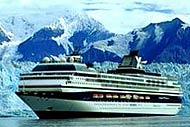
There are more than 230 cruise ships operating world wide. Cruise ships are literally floating cities that provide some of the same services that small cities or towns provide to their citizens. These vessels can carry as many as 3,000 passengers and crew members, and often operate in pristine coastal waters. As the cruise ship industry continues to expand, there is an increasing concern about the environmental impacts of cruise ship discharges, including impacts to water quality.
Some of the waste streams generated by cruise ships include bilge water (water that collects in the lowest part of the ship’s hull and may contain oil, grease, and other contaminants), sewage, graywater (waste water from showers, sinks, laundries and kitchens), ballast water (water taken onboard or discharged from a vessel to maintain its stability), and solid waste (food waste and garbage). There is significant concern about the potential environmental impacts of these waste stream discharges.
EPA's current cruise ship activities include:
- Sewage and Graywater Standards Development
Assessing the need for additional standards for sewage and graywater discharges from large cruise ships operating in Alaska. - Cruise Ship Discharge Assessment
Informational page and report examines waste streams generated by cruise ships, specifically, sewage, graywater, oily bilge water, solid waste and hazardous waste. - Cruise Ship Plume Dilution Study in Skagway Harbor
A survey conducted in Skagway Harbor, Alaska in July 2008 to estimate the near-field dilution of treated sewage/graywater discharges from docked cruise ships.
Other EPA cruise ship information and activities include:
- Plume Tracking Study
A survey conducted in August 2001 to estimate the dilution of cruise ship discharges into receiving waters. - Public Hearings
Three regional hearings conducted in September 2000 to gather information regarding discharges from cruise ships. - Hazardous Waste Tracking System
A system developed by EPA and the States for assigning one hazardous waste tracking number to each cruise ship that all States would recognize.
